Opens in a new tab

Blackpool 1940

  • Table of Contents

Blackpool, Lancashire
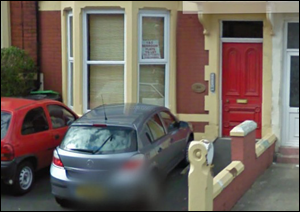
Goodwood Hotel, 209 Hormby Road. Kindly donated by Martin Feledziak

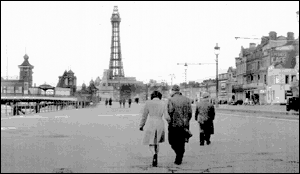
The sea-side town of Blackpool became the playground for the industrial north during the Victorian Era. The Industrial Revolution and the ‘Age of Steam’ brought prosperity through improvements to working conditions and increased leisure time. The wealth of the town was reflected in the grandeur of the lavish architectural design applied to the hotels on the Golden Mile and in quieter side streets leading away from the seafront. The town had enjoyed its prime position as a holiday resort right up until the outbreak of war in 1939.
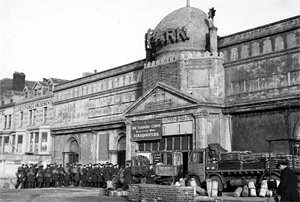
Black and white photo of people and lorries outside a large, weathered building labelled "BATHS," serving as a training corps headquarters.

War brought a new role to the town. After Dunkirk, Blackpool became the depot for Polish aircrew prior to being despatched to stations or depots for training or operations. New arrivals were sent to the Goodwood Hotel in Hornby Road for debriefing and registration prior to unit assignment and despatch. (The Lansdowne Hotel became the Polish Airforce HQ). In the aftermath of Dunkirk forces were left short of equipment and in a pretty poor shape. Britain was on invasion alert. For the young Poles, duties were regarded as tedious and quite demeaning. Young men had lied over their ages to enlist and fight. Construction of prisoner of war camps was often the closest action many saw in the early months of their war. While the Goodwood Hotel became a centre for enlistment, the White Eagle Club also in Hornby Road,became the officers club.
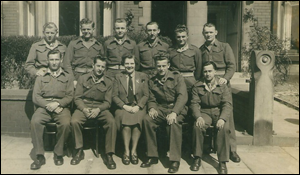
A group of ten men in military uniforms and one woman in civilian clothing sit and stand in two rows outdoors in front of a building.
Goodwood Hotel, 209 Hormby Road. Kindly donated by Martin Feledziak
A grey car is parked in a small drive in front of a house with a red door; a red car is parked on the street beside it.
La traduction française de cet article n'est pas encore disponible.
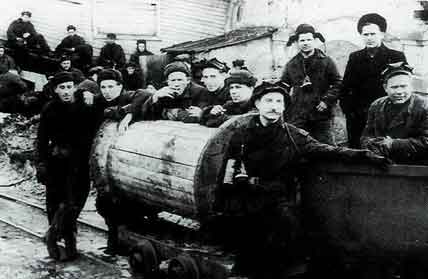
A group of miners in work clothes and hats pose around a mine trolley outside an industrial building.

Operation VISTULA

Operation Vistula (Akcja Wisła, 1947) was a forced deportation of around half a million Ukrainians from southeastern Poland by the communist government, aiming to crush the UPA and resistance in the region.

Read Article
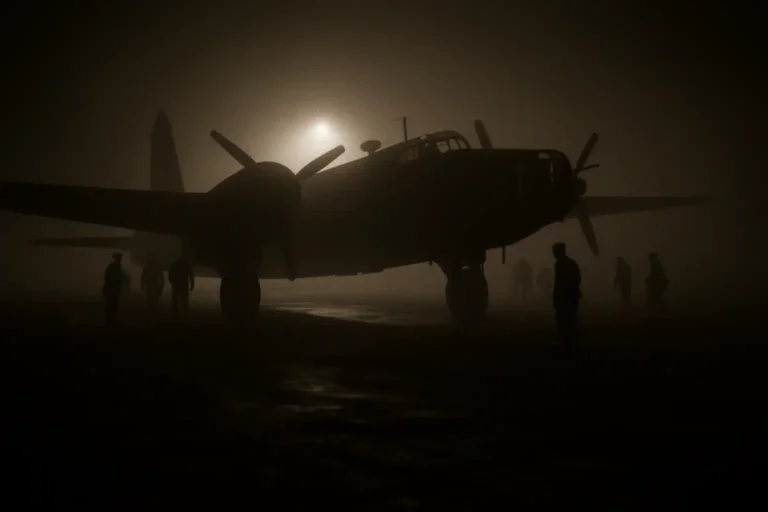
Sepia-toned 1940s photograph of a Wellington bomber on a dimly lit airfield, symbolising the Polish No. 304 Squadron crew lost over France in 1942.

The Wellington Crew No.304 Squadron (NZ-B) W5627

The story of Flight Officer Julian Morawski and the Polish Wellington crew of No. 304 Squadron, shot down over France in April 1942.

Read Article
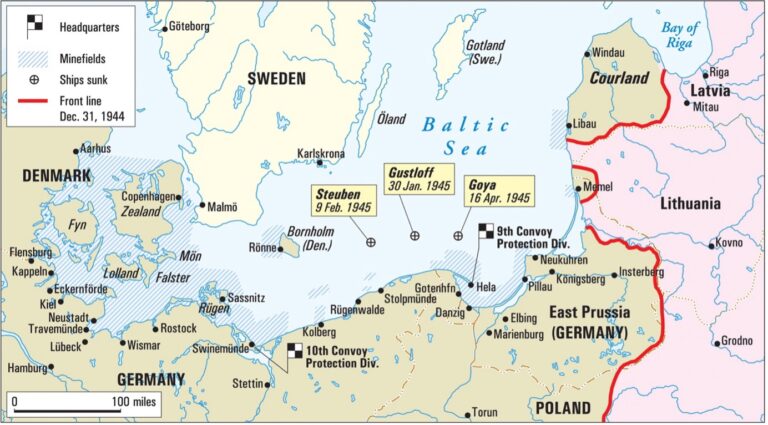
Map of the Baltic Sea in 1945 showing German evacuation routes, minefields, ship sinkings, front lines as of 31 Dec. 1944, and locations of Steuben, Gustloff, and Goya sinkings.

S.A.A.R.F.

An in-depth study of SAARF, M.E.42, and Operation VICARAGE—Allied missions rescuing POWs and tracing war criminals in 1945.

Read Article