Opens in a new tab

Blackpool 1940

  • Table of Contents

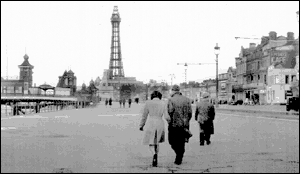
Blackpool, Lancashire
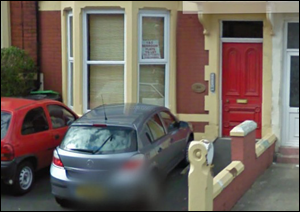
Goodwood Hotel, 209 Hormby Road. Kindly donated by Martin Feledziak

The sea-side town of Blackpool became the playground for the industrial north during the Victorian Era. The Industrial Revolution and the ‘Age of Steam’ brought prosperity through improvements to working conditions and increased leisure time. The wealth of the town was reflected in the grandeur of the lavish architectural design applied to the hotels on the Golden Mile and in quieter side streets leading away from the seafront. The town had enjoyed its prime position as a holiday resort right up until the outbreak of war in 1939.
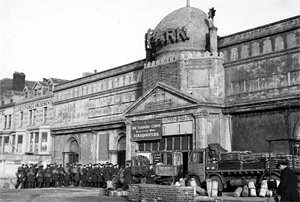
Black and white photo of people and lorries outside a large, weathered building labelled "BATHS," serving as a training corps headquarters.

War brought a new role to the town. After Dunkirk, Blackpool became the depot for Polish aircrew prior to being despatched to stations or depots for training or operations. New arrivals were sent to the Goodwood Hotel in Hornby Road for debriefing and registration prior to unit assignment and despatch. (The Lansdowne Hotel became the Polish Airforce HQ). In the aftermath of Dunkirk forces were left short of equipment and in a pretty poor shape. Britain was on invasion alert. For the young Poles, duties were regarded as tedious and quite demeaning. Young men had lied over their ages to enlist and fight. Construction of prisoner of war camps was often the closest action many saw in the early months of their war. While the Goodwood Hotel became a centre for enlistment, the White Eagle Club also in Hornby Road,became the officers club.
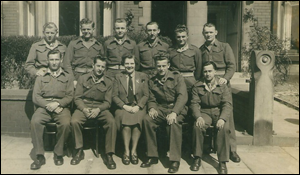
A group of ten men in military uniforms and one woman in civilian clothing sit and stand in two rows outdoors in front of a building.
Goodwood Hotel, 209 Hormby Road. Kindly donated by Martin Feledziak
A grey car is parked in a small drive in front of a house with a red door; a red car is parked on the street beside it.
La traduction française de cet article n'est pas encore disponible.
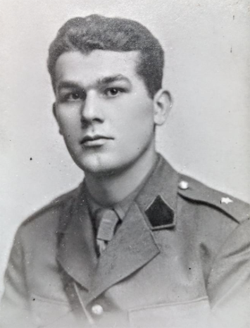
Black-and-white portrait of a young man in a military uniform, facing forwards with a neutral expression.

Kazimierz Blazey Pajorski (1918-1989)

Polish soldier Kazimierz Blazey Pajorski escaped war-torn Poland, fought in France, survived internment in Switzerland, and rebuilt his life in England.

Read Article
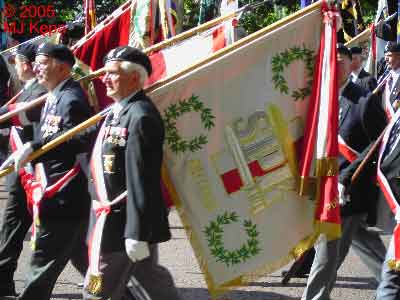
A group of uniformed men march in a parade, carrying flags and banners decorated with red, white, and green colours.

Press Release – Poles at Victory Parade (9/07/05)

60 years after being excluded from the 1946 Victory Parade, Polish veterans finally led the 2005 commemoration in London—righting a Cold War injustice.

Read Article
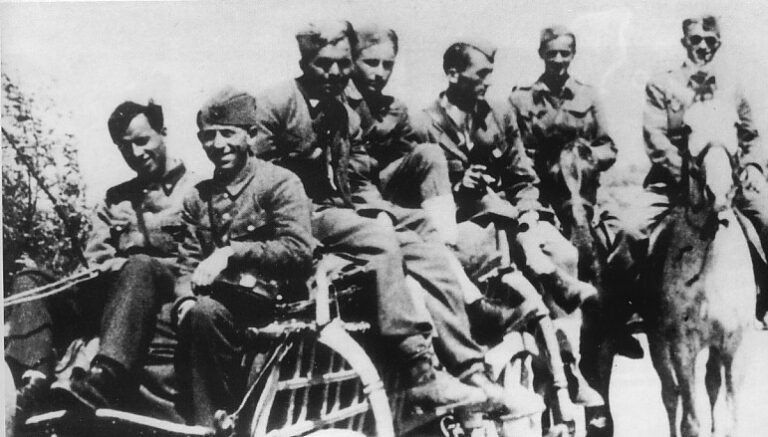
A group of soldiers wearing uniforms ride together on a motorcycle with a sidecar, whilst two others follow behind on horseback.

Excerpt from A Question of Honor

In 1946, Poland’s war heroes—who helped win the Battle of Britain and crack Enigma—were barred from London’s Victory Parade, their sacrifice overshadowed to appease Stalin.

Read Article